
Compare models

Google Pixel 9 Pro · Locked AT&T vs iPhone 17 · Locked Verizon

  • 1-year warranty
  • Free standard shipping
  • Free 30-day returns (return shipping terms apply)
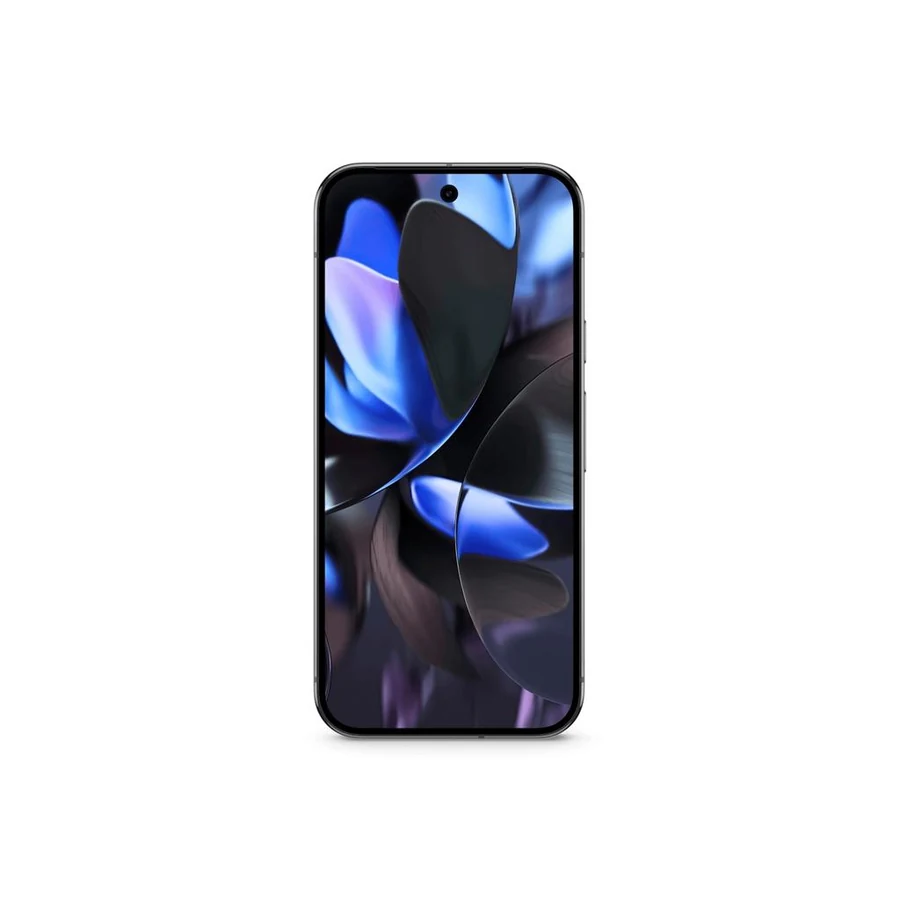
Google Pixel 9 Pro · Locked AT&T
Starting at

Refurbished price:$121

Versus $999.99 new

See options
iPhone 17 · Locked Verizon
Starting at

Refurbished price:$166

Versus $929.00 new

See options

Differences at a glance

The Google Pixel 9 Pro (2024) and the Apple iPhone 17 (2025) are premium smartphones representing distinct ecosystems, design philosophies, and software approaches. While both devices offer high-end capabilities in a compact form factor, they differ primarily in their operating systems, camera layouts, and user interface customization options. Operating on Android and iOS respectively, these models cater to users with strong preferences for software environments.

Available Models

Color

Storage (GB)

Scores

Durability

Both devices are built for long-term usage, offering extended manufacturer support and robust physical construction designed to handle everyday wear and tear.

  • Software support lifecycle: The iPhone 17 benefits from Apple's long-standing update history, receiving OS updates for many years. The Pixel 9 Pro matches this with a multi-year commitment covering software updates, security patches, and feature drops.
  • Repairability and durability: Both models feature water resistance ratings and reinforced glass screens, while incorporating design elements that facilitate professional component replacements and structural longevity.

Release Year

2024

2025

Performance

System responsiveness and day-to-day handling are exceptionally smooth on both models, easily managing demanding applications, navigation tools, and split-screen multitasking.

  • Storage configurations: The Pixel 9 Pro starts with lower base storage capacities while offering high-tier maximum options, whereas the iPhone 17 begins with larger baseline storage configurations.
  • Multitasking and efficiency: The Pixel 9 Pro utilizes generous physical memory for background task handling, while the iPhone 17 relies on tightly integrated hardware and software optimization to maintain fast app switching and consistent battery longevity.

Screen quality

Display technology on both handsets delivers sharp details, deep contrast levels, and vibrant color reproduction suited for media consumption and reading.

  • Panel technology and smoothness: Both devices employ advanced OLED panels featuring adaptive high refresh rates that scale smoothly from static content to fast-moving animations.
  • Outdoor visibility: High peak brightness capabilities on both screens ensure that text and images remain legible under direct sunlight or in bright outdoor environments.

Audiovisual

Photography and video recording suites on these flagships capture crisp details across diverse lighting conditions, though they process color science differently.

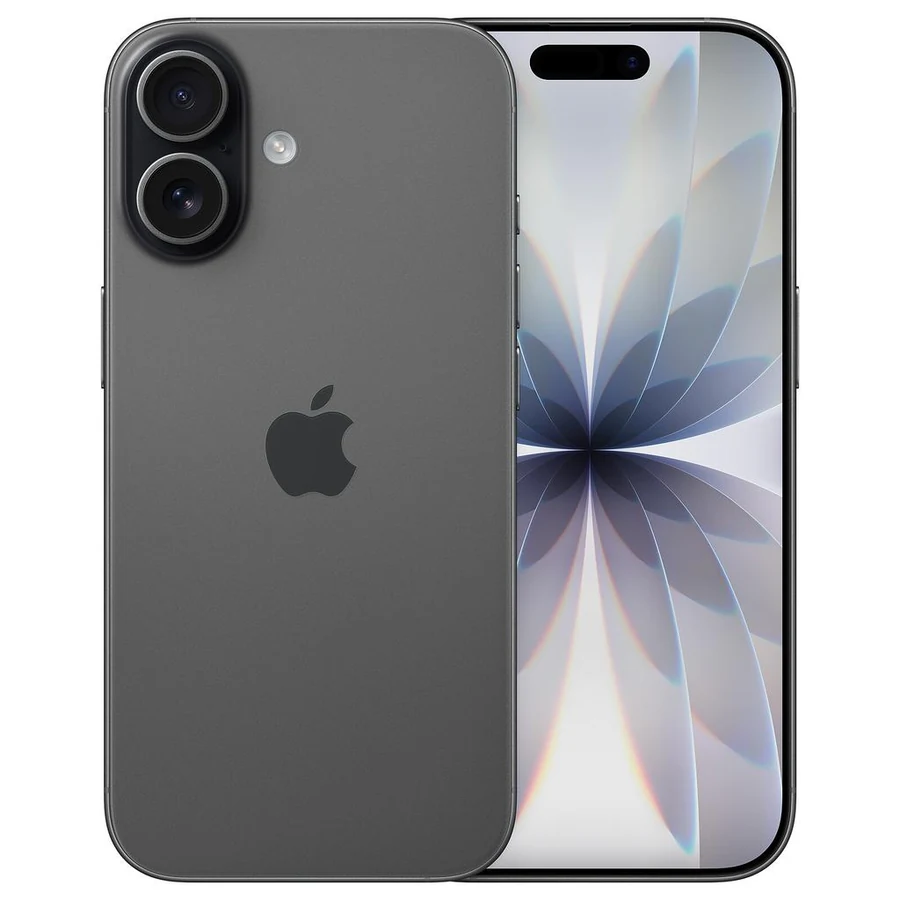
  • Lens configurations: The Pixel 9 Pro incorporates a dedicated triple-lens array featuring a powerful optical zoom lens, while the iPhone 17 utilizes a dual-lens setup optimized for wide and ultra-wide perspectives.
  • Media and audio output: Both models deliver stable video stabilization, clear multi-microphone audio pickup for calls, and balanced stereo speakers for media playback.

Miscellaneous

Physical handling characteristics and connectivity standards reflect modern mobile engineering trends across both ecosystems.

  • Connectivity and ports: Both smartphones support fast 5G data networks, modern wireless communication standards, and universal USB-C ports for charging and data transfer.
  • Physical dimensions: Both units offer comfortable ergonomics for single-handed use, though subtle differences in weight distribution and finish materials provide distinct tactile hand-feel options. Choosing a quality-assured refurbished option through platforms like Zaltova provides an eco-friendly alternative for conscious consumers.

Screen size (inches)

6.3

6.3

Network

5G

5G

SIM card

Physical SIM + eSIM

eSIM

Carrier compatibility

AT&T

Verizon

Connector

USB-C (USB 3)

USB-C

What the community thinks

User feedback highlights the Pixel 9 Pro for its sophisticated automated photo editing tools, extensive multitasking memory, and customizable Android interface. Conversely, users frequently praise the iPhone 17 for its seamless ecosystem integration, video recording consistency, and reliable everyday operational stability. Choosing between the two often comes down to personal preference regarding software ecosystems rather than raw capability gaps.

Users prioritizing deep software customization and flexible file management may prefer the Google Pixel 9 Pro, while users seeking unified device synchronization and straightforward media workflows will likely lean toward the iPhone 17. Evaluating these distinct software environments helps determine which device aligns best with individual daily routines. Opting for a quality-assured refurbished option offers a sustainable choice that extends device lifecycles without compromising on modern performance standards.
Our recent comparisons